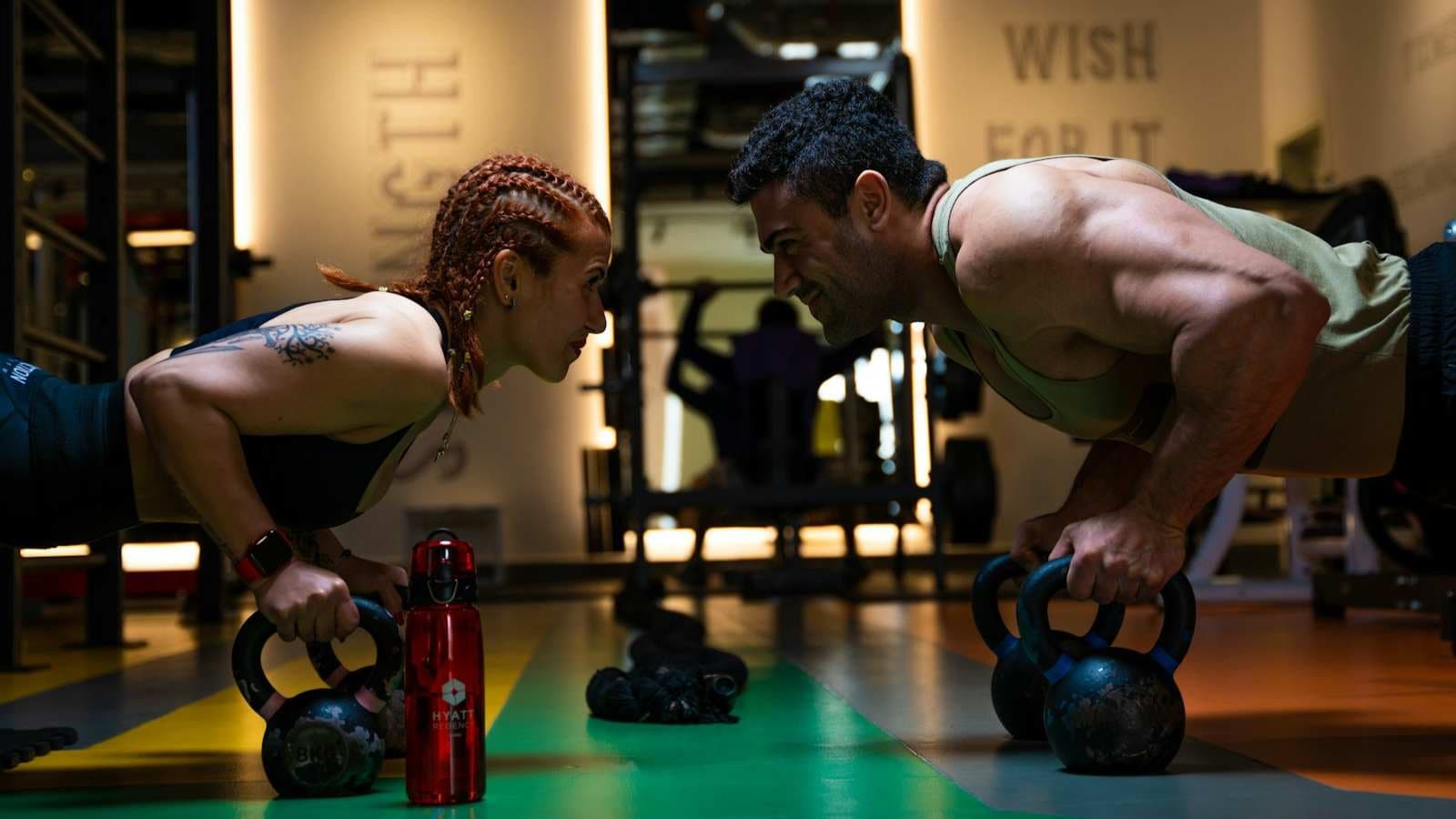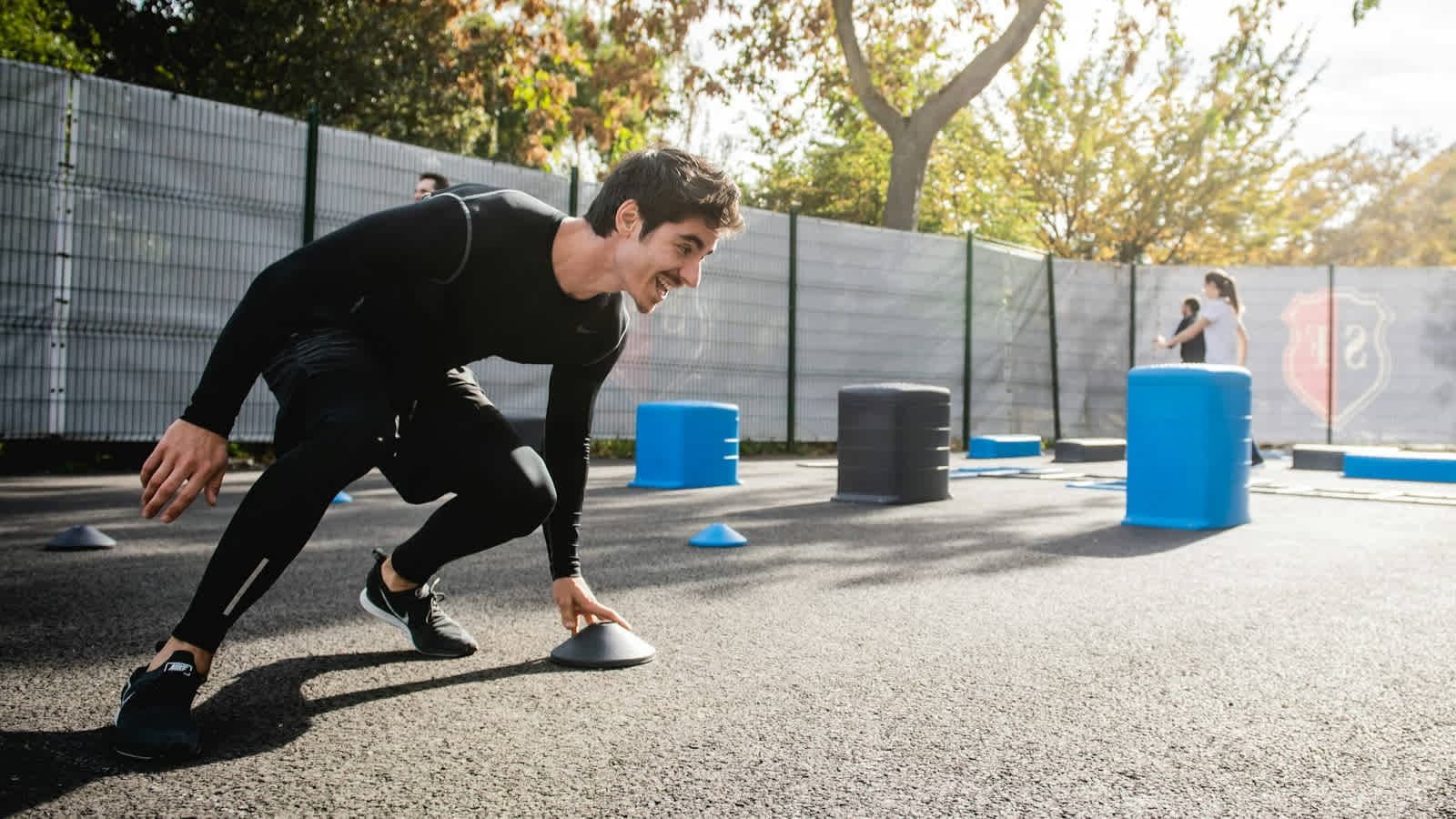

Whether you are an elite marathon runner, a competitive weightlifter, or a weekend fitness enthusiast, progress doesn't actually happen while you are pushing heavy iron in the gym or running miles on the track.
Workouts create microscopic tears in muscle fibers and temporarily drain vital energy reserves. The real magic—muscle building, strength gains, and endurance improvements—happens during the recovery phase.
In modern sports performance, recovery is no longer treated as an afterthought; it is a precise biological process. Here is an in-depth look at the science of athletic recovery and 6 evidence-based strategies professional athletes use to bounce back faster.
What Happens to Your Body During Exercise?
To understand recovery, you first need to understand the physiological stress caused by intense training:
-
Micro-Tears in Muscle Fibers: Heavy resistance training or repetitive high-impact motion creates micro-trauma in skeletal muscle tissue.
-
Glycogen Depletion: Your body burns through stored glucose (glycogen) in your muscles and liver to power high-intensity movement.
-
Delayed Onset Muscle Soreness (DOMS): The microscopic damage combined with localized inflammatory responses causes stiffness and ache 24 to 48 hours after workout sessions.
Proper recovery signals your immune system to repair damaged cells, synthesizing proteins to make muscle fibers thicker and stronger than before (a process called hypertrophy).
6 Science-Backed Recovery Strategies Used by Pros
1. Prioritize Sleep Quality (The Ultimate Performance Enhancer)
No supplement or massage tool can replace deep sleep. During Slow-Wave Sleep (Stage 3 non-REM), your pituitary gland releases human growth hormone (HGH), which accelerates tissue repair and cell regeneration.
-
Science Insight: Research shows that sleep restriction increases levels of inflammatory cytokines while decreasing muscle protein synthesis rates, drastically rising your injury risk.
-
Pro Tip: Aim for 7 to 9 hours of quality sleep nightly. Keep your bedroom cool (around 18°C/65°F) to support natural body temperature drops required for deep sleep phases.
2. Strategic Post-Workout Nutrition
After a grueling workout, your body enters a state where it is highly receptive to nutrient absorption.
-
Protein for Muscle Synthesis: Consuming 20 to 40 grams of fast-digesting protein (like whey or soy) provides essential amino acids—specifically leucine—needed to jumpstart muscle protein synthesis.
-
Carbohydrates for Glycogen Replenishment: Pairing protein with complex carbohydrates restores depleted muscle glycogen stores, preventing fatigue in your subsequent training sessions.
3. Hydration and Electrolyte Balance
Dehydration impairs blood circulation, reducing the delivery of vital nutrients to fatigued muscles and slowing down metabolic waste removal.
-
Science Insight: Sweat removes not just water, but crucial minerals known as electrolytes (sodium, potassium, magnesium). Losing just 2% of your body’s water weight leads to noticeable drops in physical coordination and power output.
-
Pro Tip: Rehydrate post-workout with water combined with a pinch of unrefined salt or a dedicated sugar-free electrolyte powder.
4. Active Recovery Over Passive Resting
Sitting on the couch all day after an intense leg day might sound tempting, but light physical activity actually speeds up recovery compared to absolute rest.
-
Why it Works: Low-intensity movement stimulates cardiac output without creating additional structural muscle damage. This gentle blood flow flushes out localized inflammatory markers and delivers fresh oxygenated blood to recovering tissues.
-
Examples: A 20-minute gentle walk, easy stationary cycling, or light swimming.
5. Hydrotherapy & Contrast Baths
Professional sports teams frequently use cold-water immersion (ice baths) or contrast therapy (alternating hot and cold water).
-
Cold Water Immersion: Causes blood vessels to constrict (vasoconstriction), reducing localized inflammation, swelling, and acute muscle pain perception after hard games.
-
Contrast Therapy: Alternating between hot (3 minutes) and cold (1 minute) water creates a pumping effect through alternating constriction and dilation of blood vessels, accelerating muscle metabolic flushing.
6. Myofascial Release (Foam Rolling & Massage Guns)
Foam rollers and percussive massage guns target the fascia—the connective tissue surrounding muscles that can become tight, restricted, or inflamed after repetitive exercise.
-
Benefits: Mechanical vibration and deep pressure reduce muscular tension, temporarily improve joint range of motion, and decrease the subjective sensation of DOMS without compromising immediate muscular strength.
Quick Comparison: Popular Recovery Methods
| Recovery Method | Primary Benefit | Best Time to Use |
| Deep Sleep | HGH release & overall cellular repair | Nightly (7–9 Hours) |
| Protein + Carb Meal | Muscle synthesis & glycogen reload | Within 1–2 hours post-workout |
| Active Recovery | Blood flow & flushing metabolic waste | On rest days or light mornings |
| Ice Baths / Hydrotherapy | Acute pain reduction & anti-inflammation | Immediately after matches/tournaments |
| Foam Rolling | Fascial release & joint mobility | Pre-workout or evening wind-down |
Summary Thoughts
Recovery is not passive laziness—it is an active biological investment in your physical performance. By balancing sleep, proper nutrition, targeted hydration, and light active movement, you can eliminate constant fatigue, prevent burnout, and hit peak performance week after week.
Frequently asked questions
How long does full muscle recovery take after a heavy workout?+
Depending on intensity and individual fitness levels, micro-repaired skeletal muscle tissue usually takes between 48 to 72 hours to fully rebuild and recover.
Should I take an ice bath after every workout?+
No. While ice baths are great for acute pain reduction during multi-day tournaments or competitions, using them immediately after every hypertrophy/strength session can actually
Are massage guns better than traditional foam rolling?+
Both offer similar benefits for myofascial release. Percussive massage guns allow targeted therapy for hard-to-reach muscles, whereas foam rolling allows broader pressure application using your own body weight.