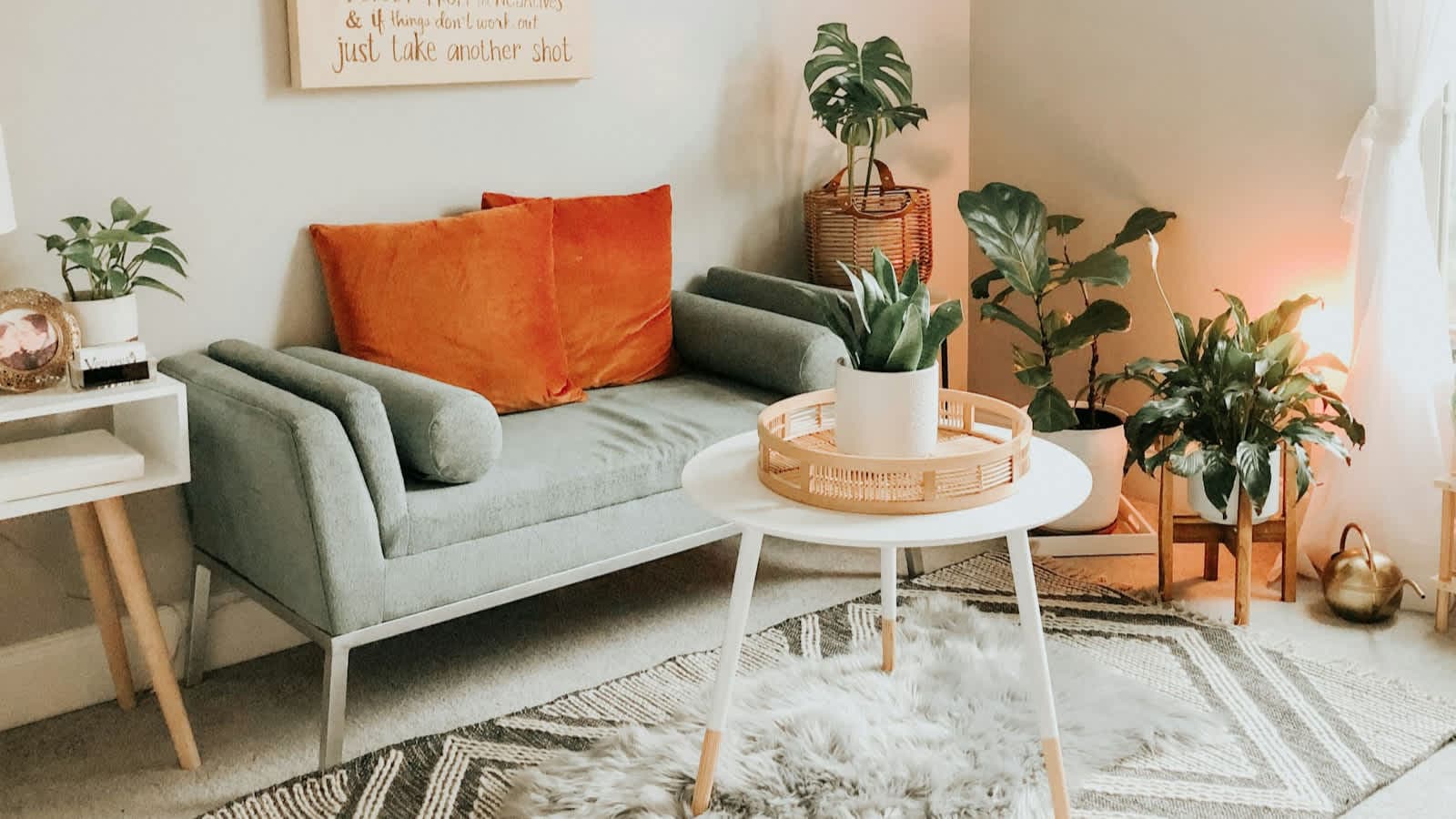

Have you ever noticed feeling instantly stressed when walking into a room overflowing with messy piles of clothes, unorganized paperwork, and random household objects? You are not imagining it.
Our physical surroundings directly influence our emotional state and cognitive focus. In a world driven by constant consumerism, minimalist living offers a simple yet transformative counter-approach: owning fewer items to make room for what actually matters.
Here is an exploration of the psychological link between physical clutter and mental health, along with practical steps to declutter your space and clear your mind.
The Psychology: Why Physical Clutter Causes Mental Stress
Neuroscientists at Princeton University conducted a study using functional magnetic resonance imaging (fMRI) and found that multiple visual stimuli present in your field of view compete for your brain's attention.
When your living space is cluttered, your brain is forced to process endless visual cues simultaneously. This subtle background noise:
-
Increases Cortisol Levels: Studies show that individuals living in cluttered homes exhibit higher levels of cortisol (the stress hormone).
-
Drains Mental Energy: Trying to focus in an messy environment causes cognitive overload, leading to irritability and fatigue.
-
Triggers Decision Fatigue: Having too many choices—whether selecting clothes from an overflowing wardrobe or finding an item on a messy desk—wears down your willpower early in the day.
5 Powerful Mental Benefits of Minimalist Living
Adopting a minimalist lifestyle isn't about living in a bare white room with one chair. It is about intentionally surrounding yourself only with items that serve a clear purpose or bring genuine happiness.
1. Reduced Anxiety and Peace of Mind
A organized, tidy home acts as a sanctuary from the chaotic outside world. When every item has a designated spot, you spend less time frantically searching for keys or documents, eliminating unnecessary daily panic.
2. Sharper Focus and Productivity
Whether you work from home or study, a clean desk minimizes visual distractions. With fewer objects competing for your focus, you can slip into deep work states faster and maintain attention longer.
3. Better Sleep Quality
Your bedroom should signal rest to your nervous system. Piles of laundry or visible work files near your bed remind your brain of unfinished tasks, disrupting sleep cycles. A minimalist bedroom promotes deeper, restorative rest.
4. Reclaimed Time and Energy
Cleaning, organizing, and maintaining possessions takes a massive amount of time. Less stuff means drastically less time spent cleaning, allowing you to redirect your weekend energy toward hobbies, exercise, and family.
5. Financial Freedom
Minimalism shifts your mindset from "impulse buying" to intentional purchasing. By breaking the habit of retail therapy, you save significant amounts of money over time.
Practical Checklist: How to Start Decluttering Today
Decluttering an entire house at once is overwhelming. Use this step-by-step strategy to make steady progress without stress:
| Method / Step | Action Plan |
| The 10-Minute Rule | Set a timer for 10 minutes daily and tackle just one small surface (a single drawer or coffee table). |
| Four-Box Method | When organizing a room, set up 4 boxes: Keep, Donate/Sell, Trash, and Relocate. |
| The 90/90 Rule | Ask yourself: Have I used this item in the last 90 days? Will I use it in the next 90 days? If no, let it go. |
| One-In, One-Out Rule | For every new physical item you buy (like shoes or books), donate or discard an old one. |
Summary Thoughts
Minimalist living is not about deprivation; it is about freedom. By letting go of physical items that no longer serve you, you create visual quietness in your home that directly translates to inner mental calm.
Frequently asked questions
What is the first thing I should declutter as a beginner?+
Start with small, high-impact areas where you spend a lot of time, such as your nightstand, desk surface, or bathroom counter. Avoid starting with emotional items like old photos or souvenirs.
Is minimalism expensive?+
No, minimalism actually saves you money. It is a philosophy centered on consuming less, buying fewer impulse items, and valuing experiences over material possessions.
How do I declutter if I live with family or roommates who are not minimalists?+
Focus exclusively on your personal spaces (like your wardrobe, desk, or side of the bed). Leading by example often inspires others to organize their areas without feeling forced.